 Image 1 of 3
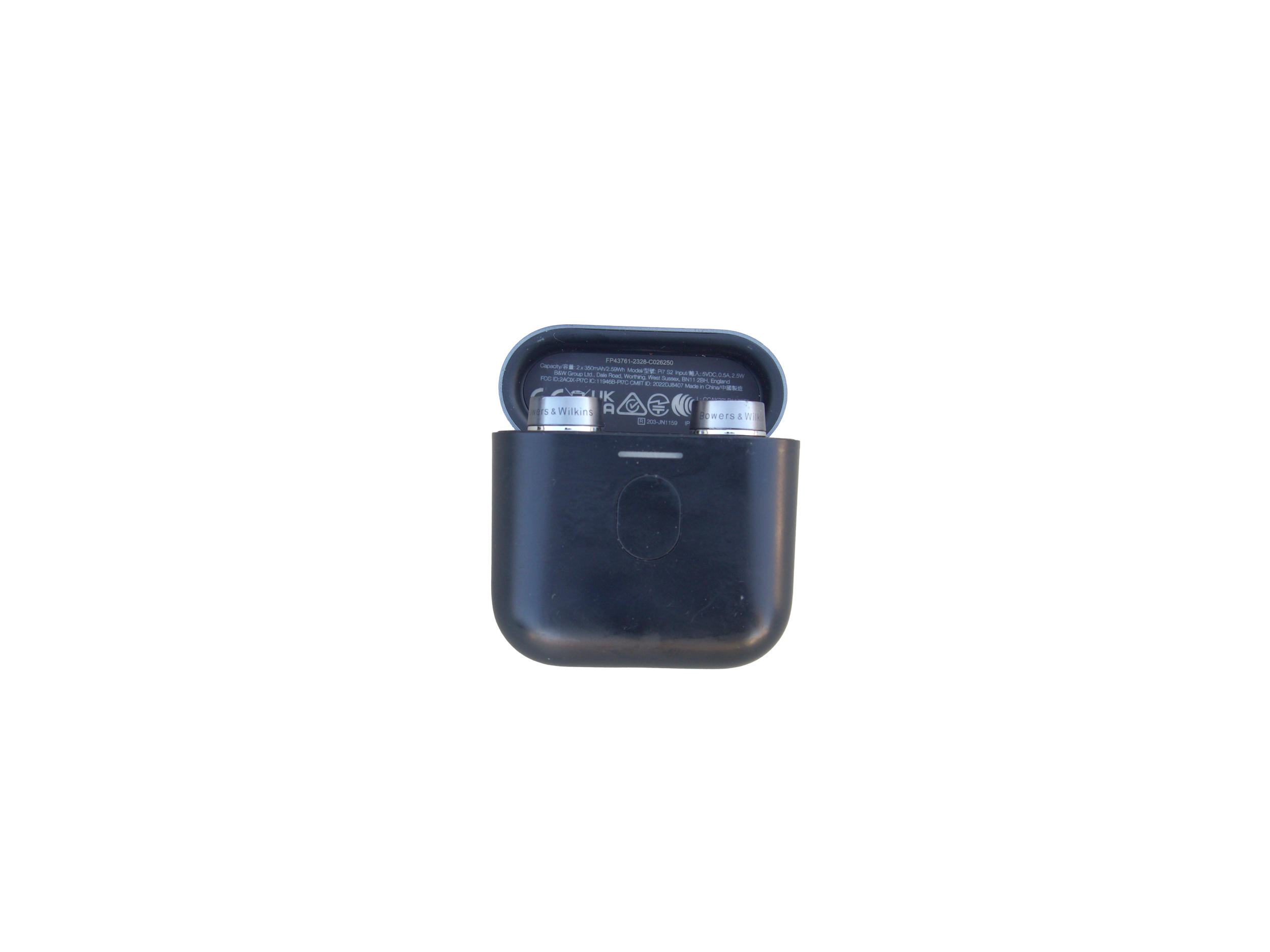 Image 2 of 3
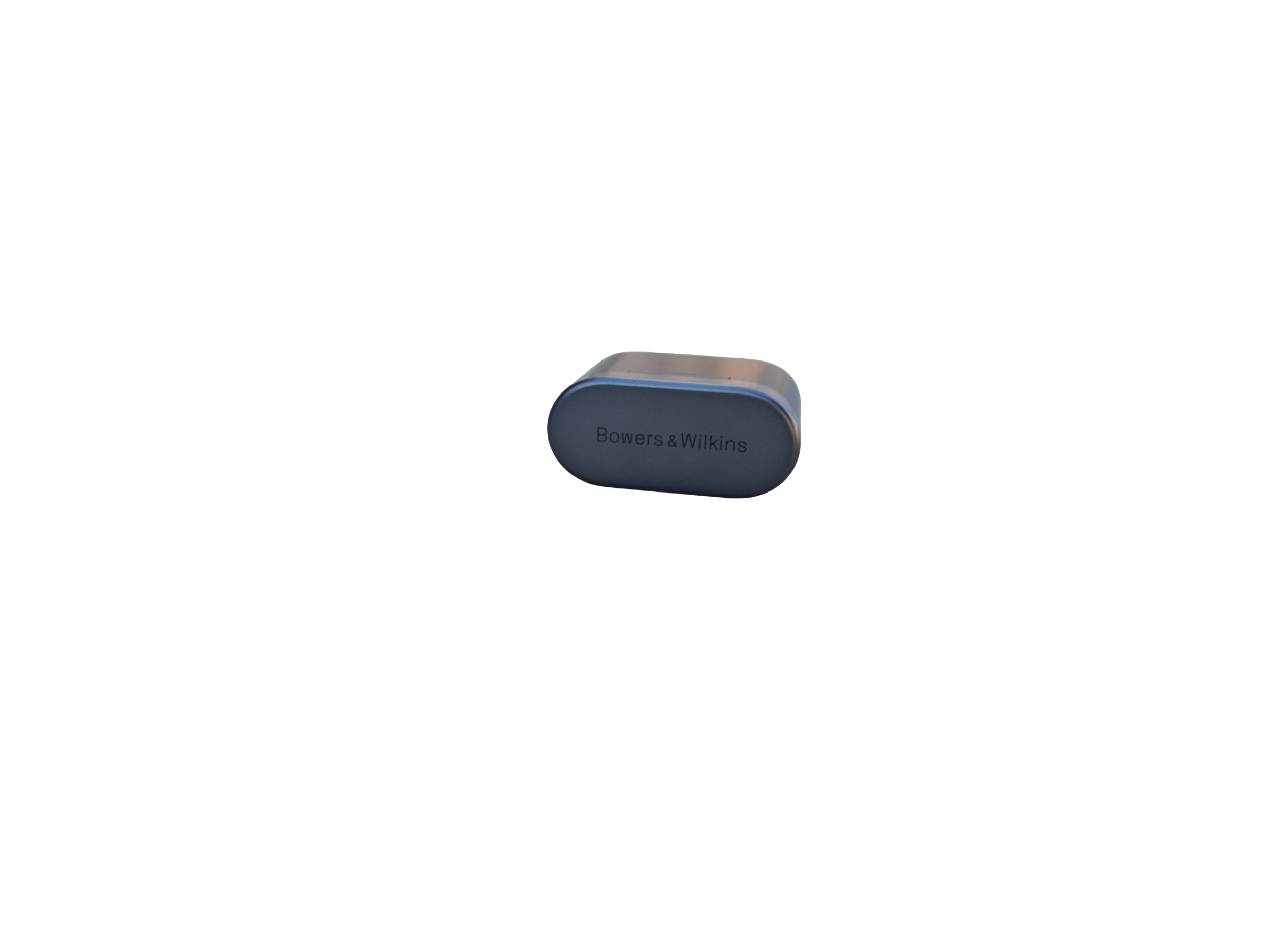 Image 3 of 3
Bowers & Wilkins build the loudspeakers that sit in the control room where the Beatles recorded. The PI7 is that engineering culture, shrunk to the size of a bean.
John Bowers opened an electronics shop in Worthing, on the Sussex coast, and in 1966 started building loudspeakers with Roy Wilkins. The ambition was not modest. Bowers wanted to make a speaker that reproduced exactly what was on the recording and added nothing, which is the sort of goal that turns a business into a sixty year argument with physics.
It worked well enough that Abbey Road Studios put B&W’s 800 Series in as monitors, and they’ve been the reference there for decades. That’s the detail that matters, and here’s why: a studio monitor’s job is the opposite of a consumer speaker’s job. A consumer speaker is supposed to flatter. A monitor is supposed to tell an engineer the truth, including the ugly parts, so problems get caught before a record ships. Records you know by heart were mixed on the assumption that these speakers weren’t lying.
A company whose main customers are people who need to hear mistakes.
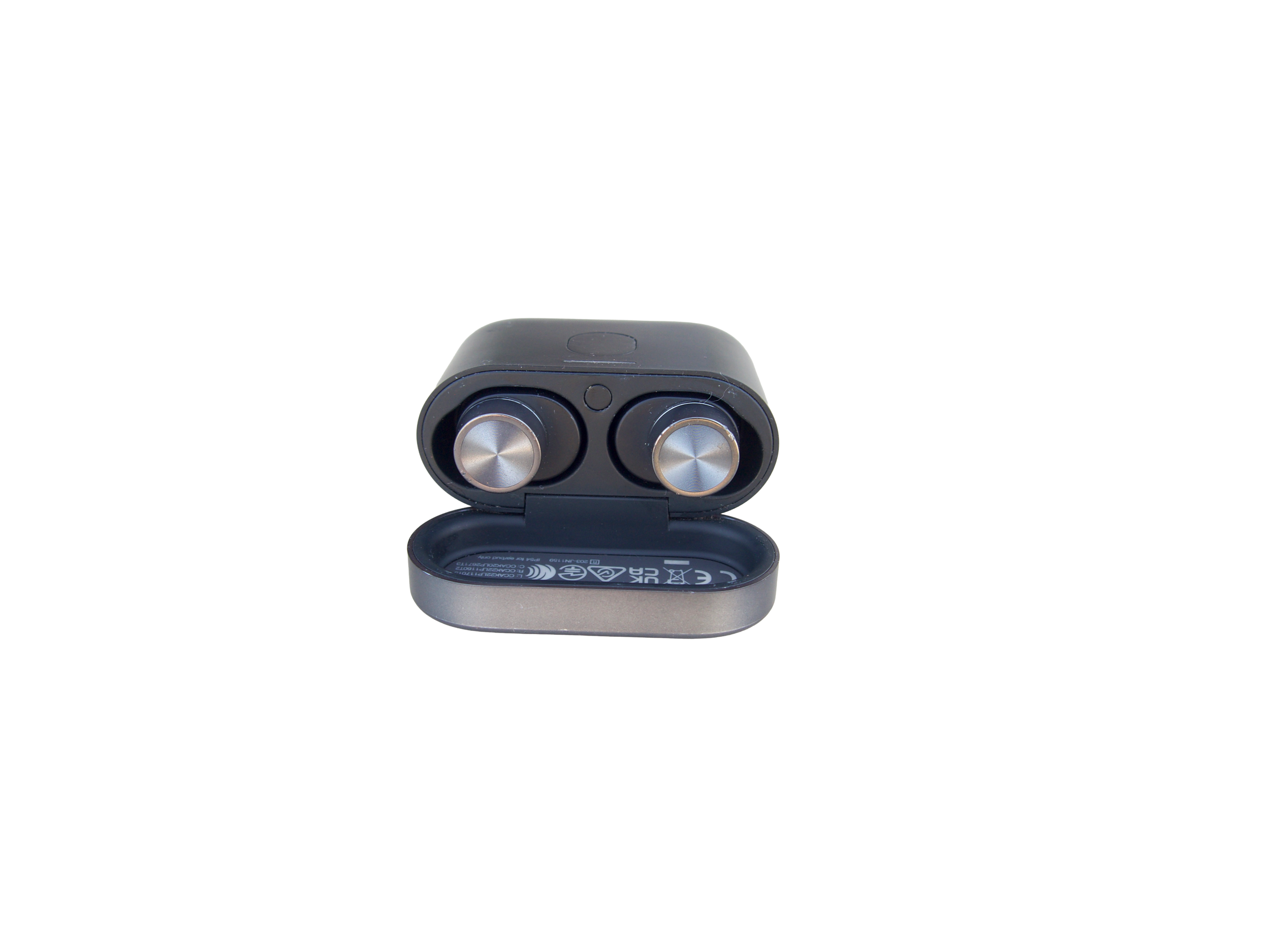
The PI7, from 2021, is that instinct compressed into a true wireless earbud, which is a brutal format for anyone who cares about fidelity. Each bud runs two drivers rather than one, with a dedicated tweeter for the top end and a separate driver for everything below, each amplified independently. That’s a loudspeaker design approach, and it’s exactly what you’d expect from a company that has spent sixty years arguing that one driver can’t do every job well.
The clever part is the case. It isn’t only a charger. Plug it into a socket with a cable, an aeroplane seatback jack or a hotel gym treadmill, and the case retransmits that audio to the buds wirelessly. It solves the single most annoying limitation of every wireless earbud, which is that the world is still full of headphone sockets, and almost nobody else has bothered.
Bowers & Wilkins build the loudspeakers that sit in the control room where the Beatles recorded. The PI7 is that engineering culture, shrunk to the size of a bean.
John Bowers opened an electronics shop in Worthing, on the Sussex coast, and in 1966 started building loudspeakers with Roy Wilkins. The ambition was not modest. Bowers wanted to make a speaker that reproduced exactly what was on the recording and added nothing, which is the sort of goal that turns a business into a sixty year argument with physics.
It worked well enough that Abbey Road Studios put B&W’s 800 Series in as monitors, and they’ve been the reference there for decades. That’s the detail that matters, and here’s why: a studio monitor’s job is the opposite of a consumer speaker’s job. A consumer speaker is supposed to flatter. A monitor is supposed to tell an engineer the truth, including the ugly parts, so problems get caught before a record ships. Records you know by heart were mixed on the assumption that these speakers weren’t lying.
A company whose main customers are people who need to hear mistakes.
The PI7, from 2021, is that instinct compressed into a true wireless earbud, which is a brutal format for anyone who cares about fidelity. Each bud runs two drivers rather than one, with a dedicated tweeter for the top end and a separate driver for everything below, each amplified independently. That’s a loudspeaker design approach, and it’s exactly what you’d expect from a company that has spent sixty years arguing that one driver can’t do every job well.
The clever part is the case. It isn’t only a charger. Plug it into a socket with a cable, an aeroplane seatback jack or a hotel gym treadmill, and the case retransmits that audio to the buds wirelessly. It solves the single most annoying limitation of every wireless earbud, which is that the world is still full of headphone sockets, and almost nobody else has bothered.