 Image 1 of 4
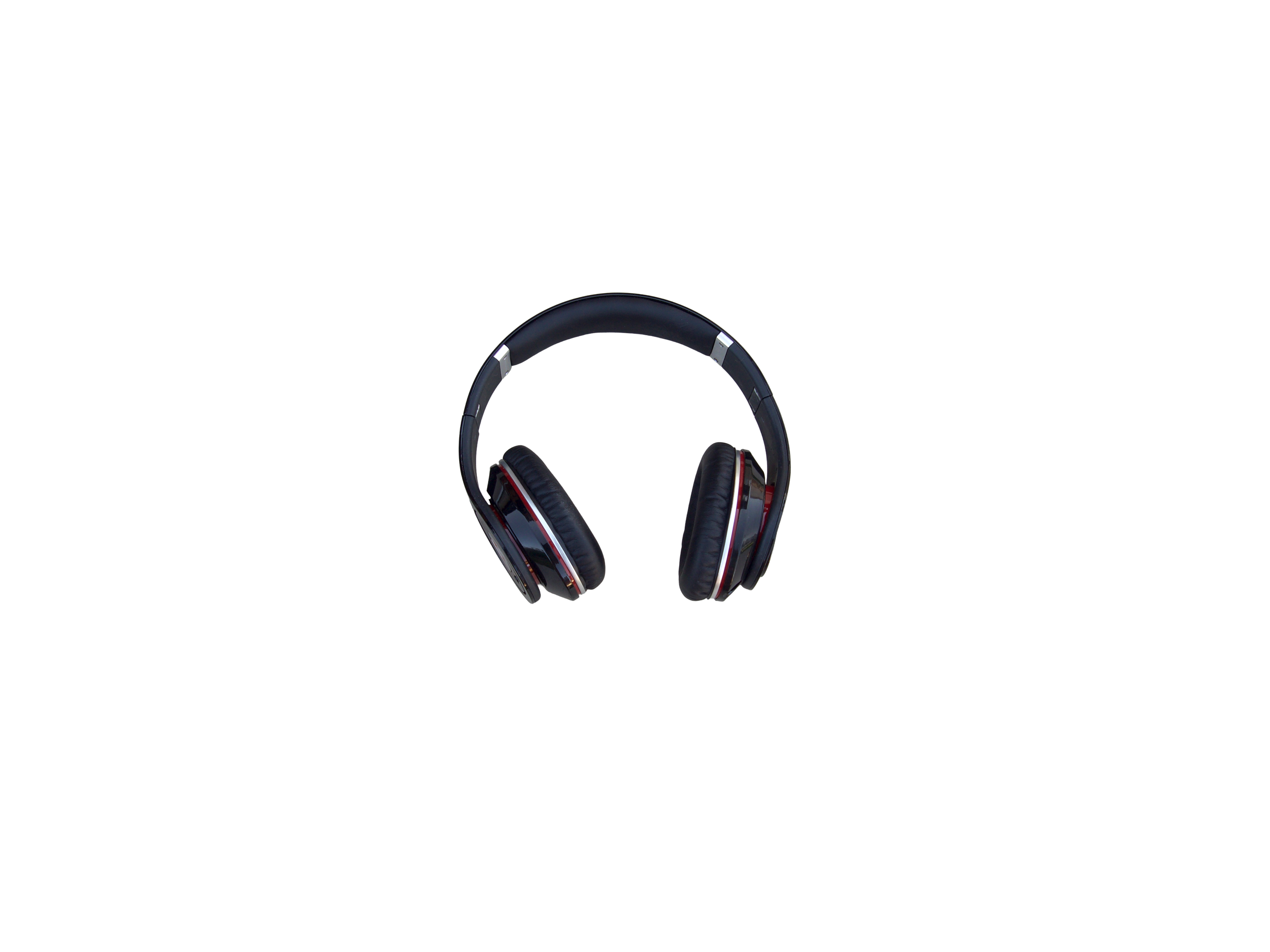 Image 2 of 4
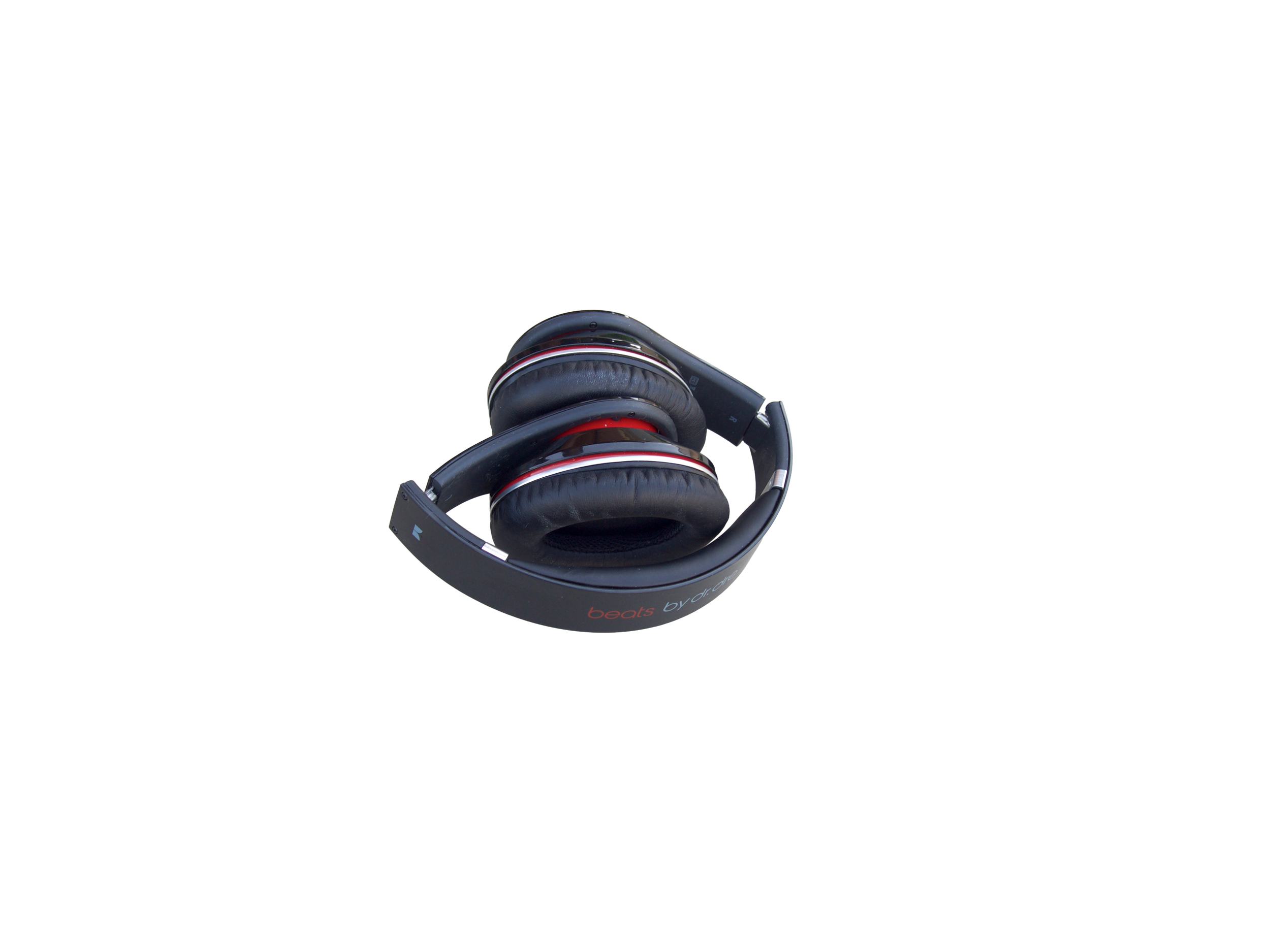 Image 3 of 4
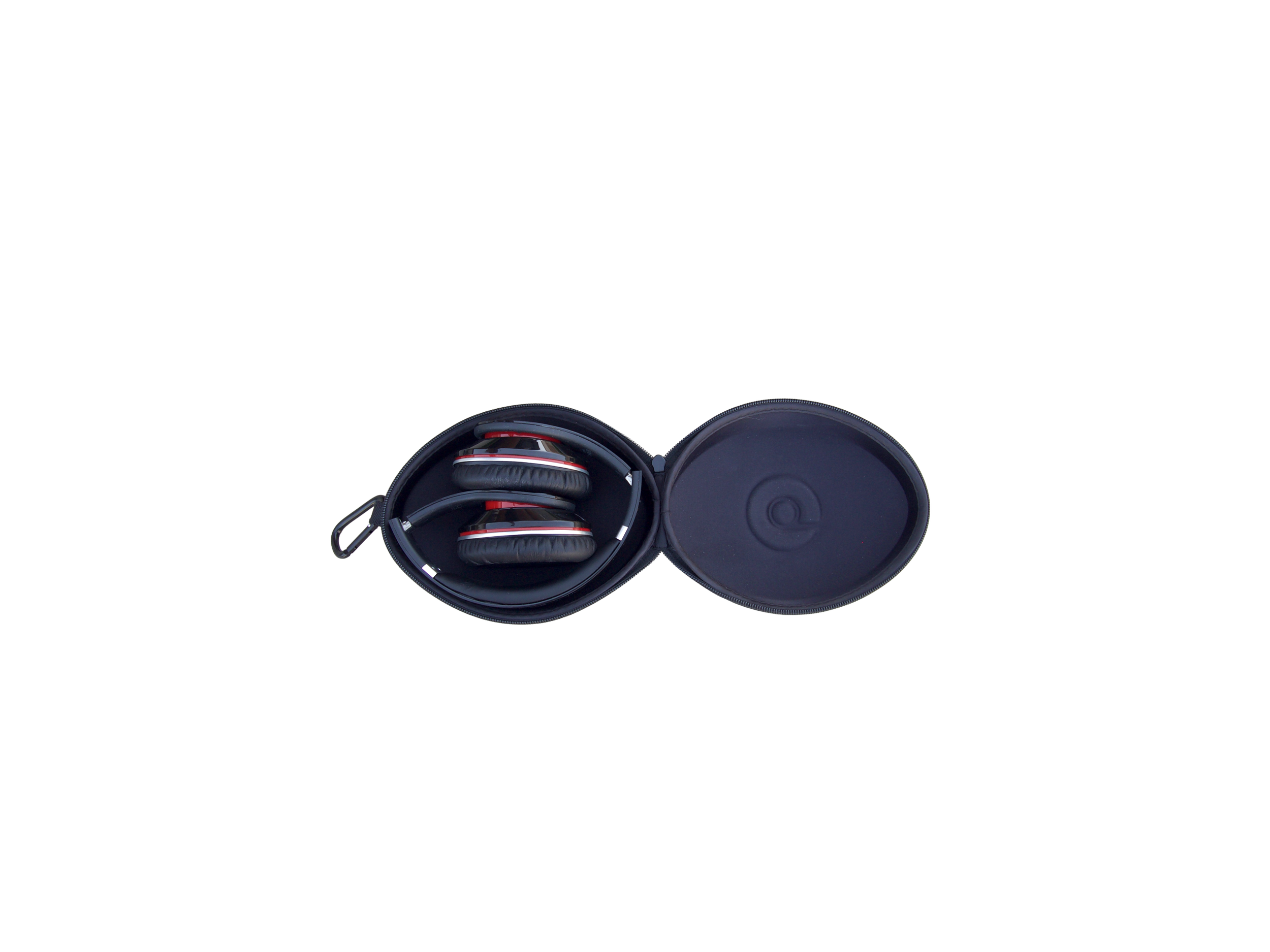 Image 4 of 4
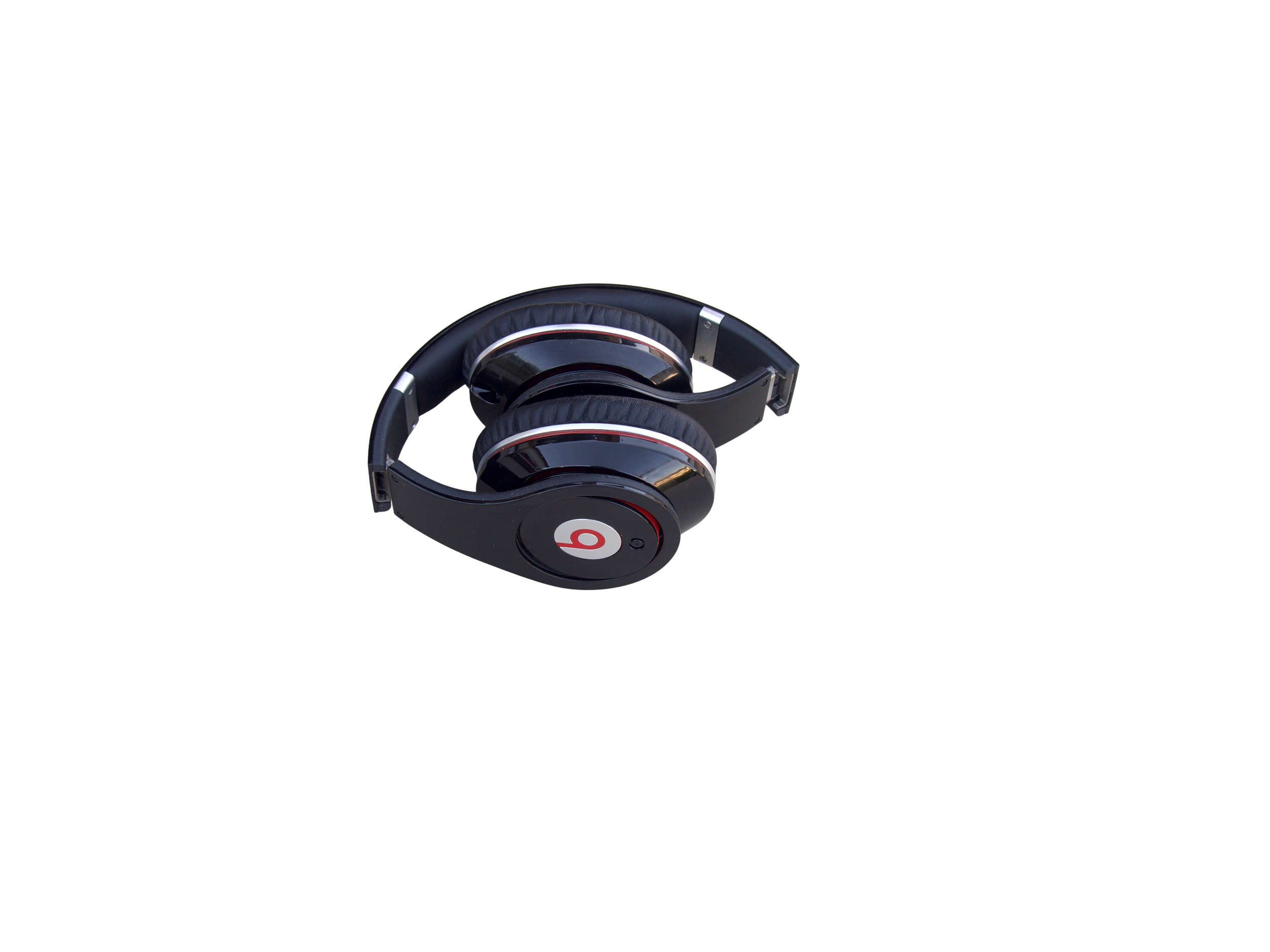
Read the cup. If it says Monster, you’re holding the original arrangement, and the original arrangement ended in a lawsuit over three billion dollars.
In 2007 three men had a meeting. Noel Lee ran Monster Cable, a company that had made its money on audio cable and knew how to actually manufacture things. Jimmy Iovine co-founded Interscope Records. Dr. Dre was Dr. Dre.
Iovine’s diagnosis was the whole business in one sentence: kids were spending two hundred dollars on sneakers and listening to music through the free white earbuds that came in the box. Artists were spending a year in a studio getting a record to sound a particular way, and nobody was hearing it. There was a gap between what music cost to make and what people played it through, and nobody had thought to charge for closing it.
Monster began manufacturing, marketing and distributing Beats in January 2008, and Lee ended up with a five per cent stake in the venture.
What happened next reorganised an entire industry. Before Beats, headphones were a commodity you replaced when they broke. After Beats, headphones were a visible object worn on the outside of your head where people could see them, in colours, with a logo, endorsed by somebody you cared about. Athletes wore them off the bus. The category went from a race to the bottom on price to a market where three hundred dollars was normal.
Every premium headphone that exists now, including the Sonys and the Bowers and Wilkins included in this drop, is competing in a market Beats invented.
Monster built them. Monster did not keep them.
In 2011 Beats did a deal with HTC. That transaction, according to Monster’s later lawsuit, was structured in a way that triggered a clause ending the Monster partnership. The alliance finished in 2012.
On 28 May 2014, seven months later, Apple bought Beats for $3 billion.
I’m not going to tell you who was wronged. What I can tell you is that this object is the physical evidence that the partnership existed. Monster branded Beats were only made between 2008 and 2012. After that the name comes off and never goes back on, and every pair in the world becomes a fixed set.
That’s what you’re buying. Not the best sounding headphones ever made, and I won’t pretend otherwise. They’re bass forward, tuned for a specific job on purpose, and audio people have complained about that since day one while the rest of the world bought them anyway.
You’re buying the first draft of the most consequential idea in consumer audio this century, with the name of the company that got left behind still printed on the side.
Read the cup. If it says Monster, you’re holding the original arrangement, and the original arrangement ended in a lawsuit over three billion dollars.
In 2007 three men had a meeting. Noel Lee ran Monster Cable, a company that had made its money on audio cable and knew how to actually manufacture things. Jimmy Iovine co-founded Interscope Records. Dr. Dre was Dr. Dre.
Iovine’s diagnosis was the whole business in one sentence: kids were spending two hundred dollars on sneakers and listening to music through the free white earbuds that came in the box. Artists were spending a year in a studio getting a record to sound a particular way, and nobody was hearing it. There was a gap between what music cost to make and what people played it through, and nobody had thought to charge for closing it.
Monster began manufacturing, marketing and distributing Beats in January 2008, and Lee ended up with a five per cent stake in the venture.
What happened next reorganised an entire industry. Before Beats, headphones were a commodity you replaced when they broke. After Beats, headphones were a visible object worn on the outside of your head where people could see them, in colours, with a logo, endorsed by somebody you cared about. Athletes wore them off the bus. The category went from a race to the bottom on price to a market where three hundred dollars was normal.
Every premium headphone that exists now, including the Sonys and the Bowers and Wilkins included in this drop, is competing in a market Beats invented.
Monster built them. Monster did not keep them.
In 2011 Beats did a deal with HTC. That transaction, according to Monster’s later lawsuit, was structured in a way that triggered a clause ending the Monster partnership. The alliance finished in 2012.
On 28 May 2014, seven months later, Apple bought Beats for $3 billion.
I’m not going to tell you who was wronged. What I can tell you is that this object is the physical evidence that the partnership existed. Monster branded Beats were only made between 2008 and 2012. After that the name comes off and never goes back on, and every pair in the world becomes a fixed set.
That’s what you’re buying. Not the best sounding headphones ever made, and I won’t pretend otherwise. They’re bass forward, tuned for a specific job on purpose, and audio people have complained about that since day one while the rest of the world bought them anyway.
You’re buying the first draft of the most consequential idea in consumer audio this century, with the name of the company that got left behind still printed on the side.